Sheet Masks: A UK Guide to Glowing Skin
Reviewed by Imperial Bioscience Laboratories
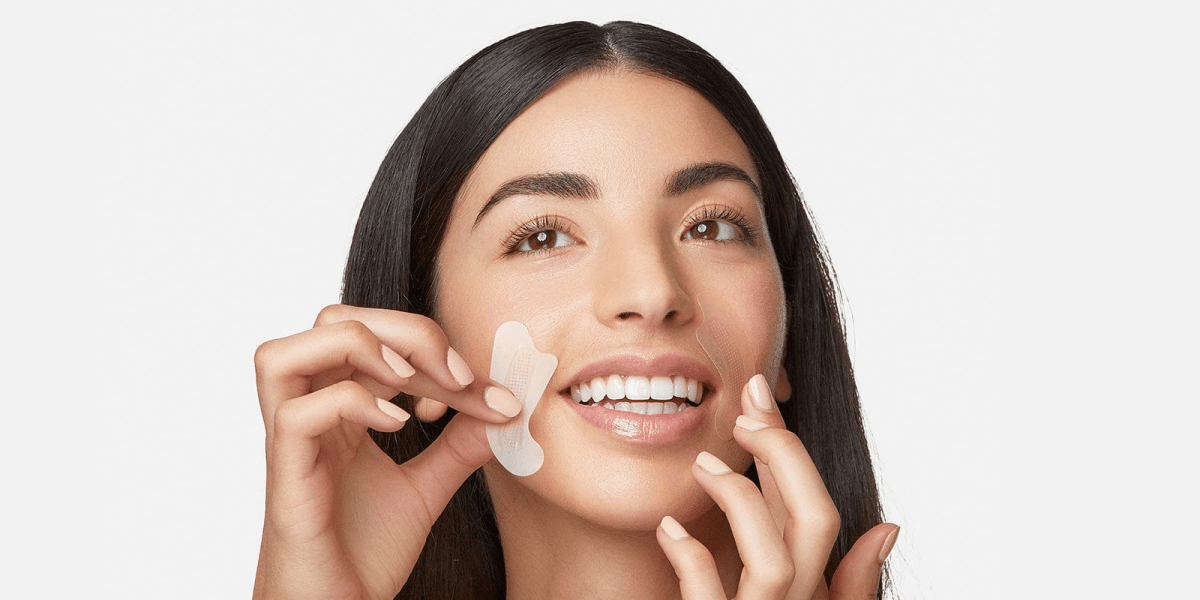
Sheet masks have become a permanent fixture in skincare routines, and for good reason: a well-formulated sheet mask delivers concentrated actives in a 15-minute occlusive treatment that supports both the surface and the deeper layers of the skin. The format also has a meaningful psychological benefit. The forced pause it requires turns a skincare step into a moment of genuine self-care.
This guide explains what makes sheet masks effective, which ingredients to look for, and how to integrate them into a routine that produces visible results.
Why Sheet Masks Work
Sheet masks operate on two principles. The first is occlusion: the mask creates a brief seal over the skin that prevents evaporation and concentrates the actives at the surface where they can penetrate. The second is delivery: a saturated mask holds a large volume of serum against the skin for the duration of the application, allowing more active to reach the skin than a quick serum application would.
The combination produces a measurable improvement in hydration, brightness, and the appearance of fine lines after a single treatment, with cumulative effects over weeks of consistent use.
Botanical Ingredients That Matter
Botanical infusions remain among the most reliable supporting ingredients in sheet masks. Aloe vera reduces redness and supports the barrier. Green tea provides antioxidant protection against free radical damage. Chamomile and rose water soothe and reduce inflammation. Birch sap offers natural humectant properties.
The combination of botanical infusions and clinically formulated actives produces the most measurable results. Sheet masks that rely on a single ingredient, even a good one, are typically less effective than combination formulations.
The Clinical Actives
Beyond botanicals, the actives that produce visible improvement in sheet masks include hyaluronic acid in multiple molecular weights for layered hydration, niacinamide for brightening and barrier support, ceramide NP for barrier restoration, and peptides for collagen signalling and elasticity.
Our Rossa 2-step hydrating sheet mask combines all four. The Prime Energy Serum applied first delivers concentrated hydration and brightening actives. The 3D Microfibre Hydro Mask that follows contains 70 percent rose water, birch sap, ten types of hyaluronic acid, ceramide NP, niacinamide, and bioactive peptides. The two-step format delivers measurably more active than a single-step mask.
The Right Time and Technique
The most effective time for a sheet mask is evening, after cleansing and any treatment serums, before the final moisturiser. The skin is in a more receptive state in the evening, and the actives have time to absorb fully overnight.
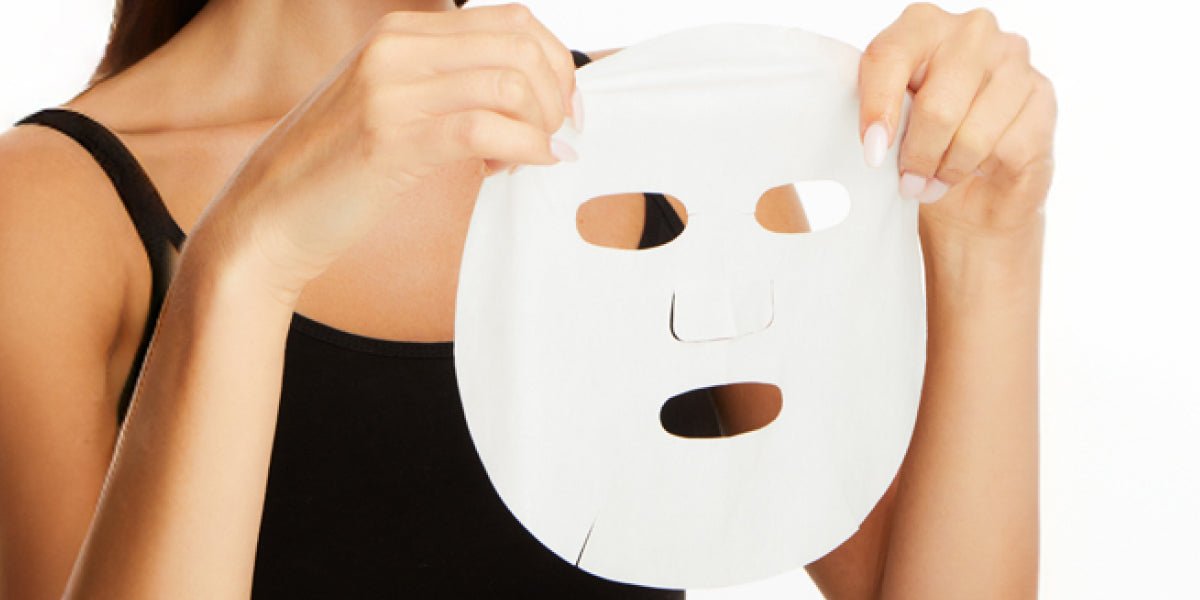
Apply the mask to clean, dry skin. Press the mask firmly against the contours of the face to maximise contact. Leave for 15 to 20 minutes, no longer; once the mask begins to dry, it can reabsorb moisture from the skin.
After removal, pat any remaining serum gently into the skin. Do not rinse. The remaining serum continues to act overnight.
How Often to Use Sheet Masks
For most skin types and concerns, two to three sheet mask applications per week produces the best results. More frequent use does not improve outcomes and can occasionally over-hydrate certain skin types.
For specific concerns, the frequency adjusts. Post-procedure recovery may call for daily application for the first three to five days. Pre-event preparation often involves a single intensive application the night before.
Integrating Sheet Masks into a Complete Routine
Daily morning: Cleanser, vitamin C serum or Luminance eye serum for the eye area, moisturiser, SPF 50.
Daily evening: Cleanser, retinoid (introduced gradually), eye serum, moisturiser.
Two or three times weekly: Rossa 2-step hydrating sheet mask as the centrepiece of an intensive treatment.
Once or twice weekly: Microneedle treatments such as Eternal for the under-eye area or Revive for forehead and other facial wrinkles.
Frequently Asked Questions
How long should I leave a sheet mask on?
Fifteen to twenty minutes is sufficient and produces the best results. Longer than that, the mask begins to dry and can reabsorb moisture from the skin, which reverses the effect. Remove while the mask is still moist.
Should I rinse off after a sheet mask?
No. The remaining serum should be massaged gently into the skin and left to absorb overnight. Rinsing washes away the actives that the mask was delivering.
How often should I use sheet masks?
Two to three times per week is the sweet spot for most skin types. Daily use is appropriate during post-procedure recovery or for very dehydrated skin, but typically does not produce better long-term results than two or three weekly applications.
Can sheet masks replace a regular moisturiser?
No. Sheet masks are intensive treatments rather than daily moisturisers. The daily routine maintains skin health between mask applications.
What is the difference between a two-step and a single-step mask?
A two-step mask, such as Rossa, applies a concentrated serum before the mask itself. The serum hydrates and prepares the skin to receive the actives in the mask. The combination delivers measurably more active than a single mask alone.
Can I use a sheet mask after microneedling or other procedures?
Yes, with the right formulation. Sheet masks designed for post-procedure use, such as Rossa, support recovery and amplify results. Wait 24 to 48 hours after laser or peels, or follow your practitioner's specific guidance.