Retinol & Retinoids: A UK Ingredient Guide
Reviewed by Imperial Bioscience Laboratories
Retinoids are the single most studied family of anti-ageing ingredients in dermatology. Used correctly, they reduce fine lines, fade pigmentation, improve skin texture, and address acne. Used incorrectly, they irritate, flake, and produce a worse complexion than the one you started with. The category itself is poorly explained in most consumer marketing: the difference between prescription tretinoin, over-the-counter retinol, and gentler derivatives like retinyl palmitate is enormous, and choosing the wrong one for your skin produces frustration. This guide explains the whole retinoid family, what the evidence supports, and how to integrate them into a routine that delivers results.
What Retinoids Actually Do
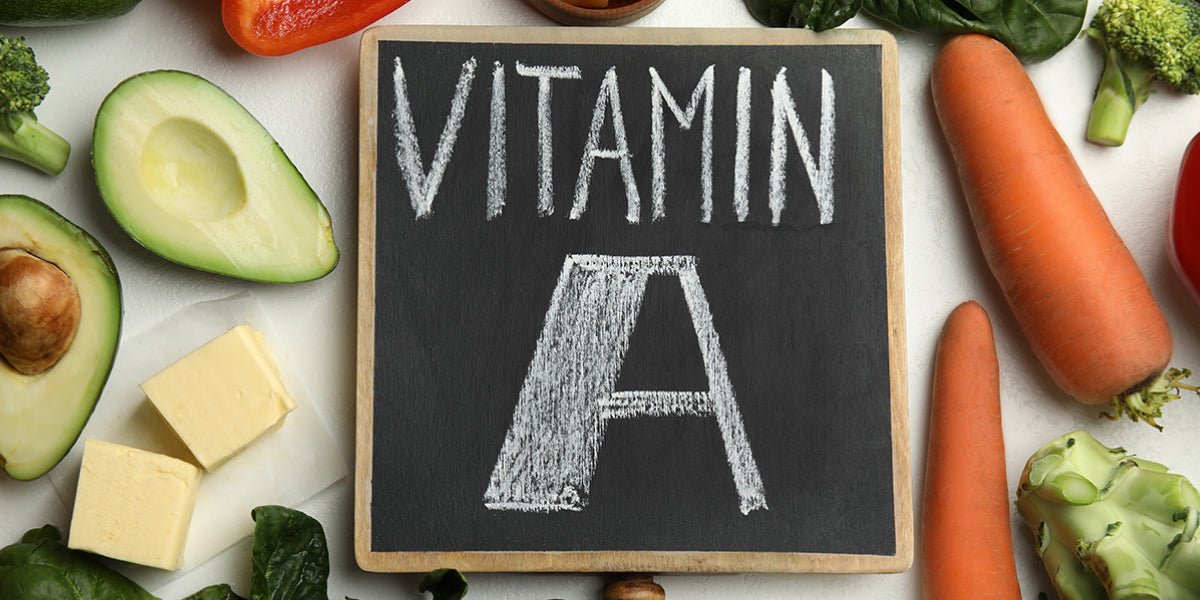
All retinoids are derivatives of vitamin A. They work through the same fundamental mechanism: binding to retinoic acid receptors in skin cells, which accelerates cell turnover, stimulates collagen synthesis, and regulates the differentiation of skin cells.
The visible effects over months of consistent use include:
Faster cell turnover, which clears dead skin from the surface and reveals smoother, brighter skin.
Increased collagen production, which reduces the appearance of fine lines and wrinkles.
Reduced melanin production, which fades dark spots and post-inflammatory hyperpigmentation.
Normalised sebum production, which suits acne-prone skin.
Reduced photoageing damage from cumulative sun exposure.
The evidence base is the strongest in topical anti-ageing skincare. Decades of clinical research support the visible improvement from consistent retinoid use.
The Retinoid Hierarchy
All topical retinoids must convert to retinoic acid in the skin before they can act. The conversion steps determine the strength: the more conversions required, the gentler the ingredient, and the slower the visible results.
Retinoic Acid (Tretinoin)
Prescription-only in the UK. Already in its active form, so no conversion required. Produces the strongest results and the most irritation. Typically prescribed at 0.025 to 0.1 percent. Requires medical supervision for introduction and ongoing use.
Retinaldehyde (Retinal)
One conversion step away from retinoic acid. Almost as effective as prescription tretinoin with less irritation. Available over-the-counter. Concentrations of 0.05 to 0.2 percent are typical. A respected middle path between prescription and entry-level retinol.
Retinol
Two conversion steps away from retinoic acid. The most common over-the-counter retinoid. Concentrations of 0.1 to 1 percent are typical. Produces measurable results over three to six months of consistent use.
Retinyl Esters (Retinyl Palmitate, Retinyl Acetate)
Three conversion steps away from retinoic acid. The gentlest of the retinoid family, and the slowest to produce results. Suits very sensitive skin and those new to retinoids. Often found in lower-tier anti-ageing products at concentrations that produce minimal effect.
Retinoid Mimics (Bakuchiol)
Not chemically a retinoid, but produces similar effects through different pathways. Suits pregnancy and severely sensitive skin where conventional retinoids are not appropriate.
Choosing the Right Retinoid
For new users with normal to combination skin, start with retinol at 0.25 to 0.5 percent applied two to three nights per week. Build up over weeks to nightly use as tolerance develops.
For sensitive skin, start with retinyl esters or retinaldehyde at low concentrations, or consider bakuchiol as a gentle alternative.
For more experienced users seeking stronger results, retinaldehyde or a higher concentration of retinol (1 percent) produces faster visible improvement.
For specific concerns such as acne or severe photoageing, prescription tretinoin under dermatology supervision is the gold standard.
How to Apply Retinoids
Apply in the evening on clean, dry skin. Retinoids degrade in UV light and increase photosensitivity, so morning application is not appropriate.
A pea-sized amount is sufficient for the entire face. More does not produce better results and increases irritation.
Wait 20 to 30 minutes after cleansing before applying. The retinoid penetrates better through fully dry skin.
Apply to the face, but extend down through the neck and decolletage. These areas show ageing too and benefit from the same protocol.
Around the eye area, where the skin is thinner and more sensitive, use a dedicated eye product. Our Luminance eye serum is formulated for the periorbital area and pairs well with a retinoid applied to the rest of the face.
Follow with a moisturiser to support the barrier.
Managing the Adjustment Period
The first two to six weeks of retinoid use, called the retinisation period, produces dryness, flaking, occasional breakouts, and increased sensitivity. This is normal and expected. The skin is adjusting to faster turnover and the temporary disruption of the upper layers.
Strategies to manage retinisation:
Frequency build-up: Start two nights per week, build to three, then four, then nightly over six to eight weeks.
Sandwich technique: Apply moisturiser, then retinoid, then moisturiser. The lipid barriers reduce penetration speed and irritation.
Pause and recover: If irritation becomes severe, pause the retinoid for a week and focus on barrier repair. Reintroduce at lower frequency.
Pair with barrier support: Daily ceramide-containing moisturiser and weekly intensive treatment such as our Rossa 2-step hydrating sheet mask support the barrier during retinisation. The mask combines ceramide NP, ten types of hyaluronic acid, niacinamide, and bioactive peptides to restore the barrier that the retinoid is temporarily disrupting.
What Not to Combine with Retinoids
Avoid using retinoids on the same night as:
Strong AHAs and BHAs (glycolic, salicylic acid). The combined exfoliation produces excessive irritation.
Vitamin C at very low pH. Particularly L-ascorbic acid in the same routine. Use vitamin C in the morning, retinoid in the evening.
Benzoyl peroxide. Oxidises retinol and reduces its efficacy.
Physical scrubs and aggressive exfoliation. Compounds the barrier disruption.
Compatible pairings include hyaluronic acid (supports hydration), niacinamide (reduces irritation), peptides (complementary collagen support), and ceramides (barrier support).
The Daily Routine with Retinoids
Morning: Cleanser, vitamin C serum or Luminance eye serum for the eye area, hyaluronic acid, moisturiser, broad-spectrum SPF 50.
Evening: Cleanser, wait 20 minutes for skin to dry fully, retinoid (introduced gradually two to three nights per week), Luminance eye serum, moisturiser.
Twice weekly: Rossa 2-step hydrating sheet mask on non-retinoid nights for barrier support.
Once weekly: Revive microneedle wrinkle patches for facial wrinkles, applied on a non-retinoid night.
Once or twice weekly: Eternal microneedle eye mask for the under-eye area, applied on a non-retinoid night.
SPF 50 every morning, every day. Retinoids increase photosensitivity, and unprotected UV exposure undoes the work the retinoid is doing.
Realistic Expectations
Weeks one to six: Retinisation period. Dryness, flaking, occasional breakouts, increased sensitivity. The skin is adjusting.
Weeks six to twelve: Adjustment complete. Skin texture begins to improve. Early reduction in fine lines and brightening.
Months three to six: Measurable improvement in skin tone, texture, and the appearance of fine lines. Existing pigmentation visibly fades.
Beyond six months: Sustained improvement that compounds with consistent use, SPF protection, and supporting actives.
Frequently Asked Questions
What is the difference between retinol and retinoic acid?
Retinoic acid (tretinoin) is the active form that works directly on skin cells; available by prescription only. Retinol is an over-the-counter precursor that converts to retinoic acid in two steps. Retinoic acid is stronger and produces faster results; retinol is gentler and more accessible.
How long does it take to see results from retinol?
Visible improvement in skin texture and early brightening typically develops over six to twelve weeks. Measurable reduction in fine lines and pigmentation takes three to six months of consistent use. Patience and consistency outperform aggressive concentration increases.
Can I use retinol every night?
Once tolerance is established, nightly use is appropriate for most skin types. Start at two to three nights per week and build up over six to eight weeks as the skin adjusts.
Is retinol safe during pregnancy?
No. Topical retinoids are not recommended during pregnancy or breastfeeding due to theoretical risks. Bakuchiol is a respected alternative that produces similar effects through different pathways and is considered safe during pregnancy. Consult your healthcare provider.
What is retinyl palmitate?
Retinyl palmitate is the gentlest retinoid, three conversion steps away from active retinoic acid. It suits very sensitive skin and beginners but produces slower, milder results than retinol or retinaldehyde. Most often found in lower-concentration anti-ageing products and sun-damaged skin formulations.
Can I use retinol with hyaluronic acid?
Yes, and the combination is recommended. Hyaluronic acid supports the hydration that retinol temporarily disrupts during retinisation. Apply hyaluronic acid first, allow to absorb, then retinol, then moisturiser.
What should I do if my retinol is causing irritation?
Reduce frequency to once or twice a week, use the sandwich technique with moisturiser before and after, pair with daily ceramide support, and pause briefly if necessary. Most irritation resolves within two weeks of adjusted protocol.
Can I combine retinol with microneedle patches?
Use them on different nights. Retinol on Monday and Wednesday, Revive microneedle patches on Friday, Eternal on Sunday. The cumulative effect of the combination is stronger than any single approach.