Hyperpigmentation: A Comprehensive UK Guide
Reviewed by Imperial Bioscience Laboratories
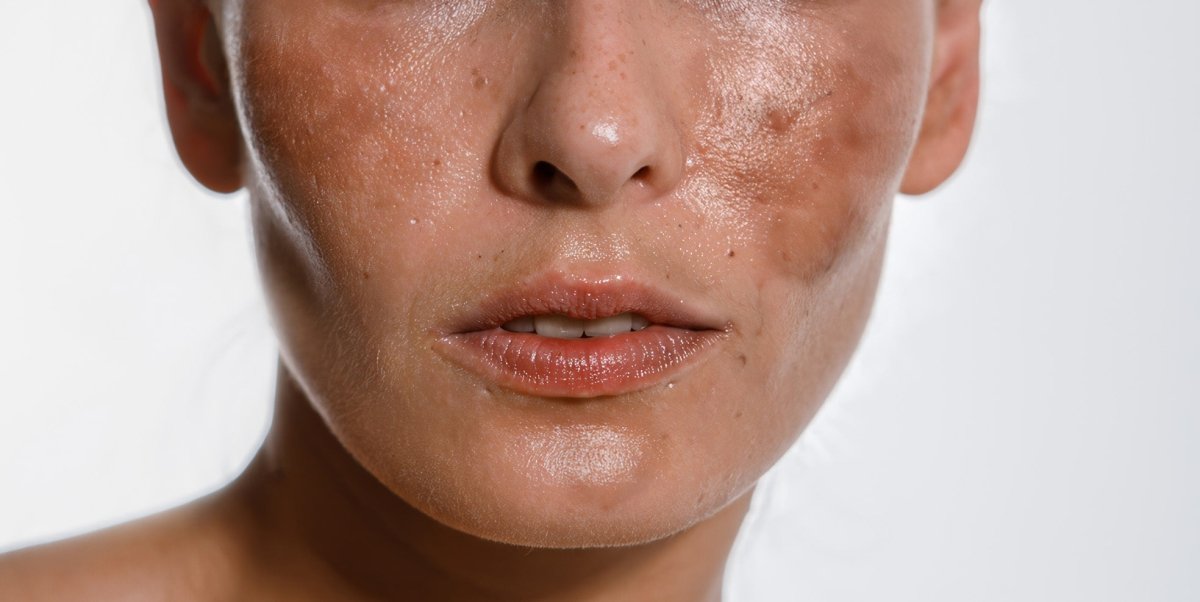
Hyperpigmentation is one of the most searched skin concerns in the UK, and one of the most poorly explained. Aesthetic clinics offer lasers and chemical peels at significant cost. Pharmacies sell creams that promise to fade dark spots in days. Most of what is on offer either does too much for the underlying cause or far too little. This guide is an honest map of what actually drives pigmentation in different skins, which treatments hold up to clinical scrutiny, and how a well-structured at-home routine can do most of the work for most people.
It is written for people who would rather understand the biology before booking a £400 IPL session, and for those who have tried half a dozen brightening serums without seeing meaningful change.
What Is Hyperpigmentation?
Hyperpigmentation is the darkening of patches of skin caused by an overproduction of melanin, the pigment that determines skin colour. Melanin is produced by melanocytes, specialised cells in the basal layer of the epidermis. When melanocytes are triggered, by ultraviolet exposure, hormonal change, or inflammation, they produce more melanin and transfer it to surrounding skin cells. The result is a darker patch that can persist for weeks, months, or years depending on the underlying cause.
Hyperpigmentation is not harmful. It is a cosmetic concern. But it is also one of the most stubborn skin issues to treat because it sits both at the surface (where exfoliation reaches it) and in deeper layers (where it requires either time, energy-based treatment, or active ingredients that genuinely penetrate). The wrong treatment for the wrong type produces no change, or worse, makes the pigmentation deeper.
Five Types of Hyperpigmentation
Treatment depends entirely on type. Identifying which kind you have is the most important step.
Sun-induced hyperpigmentation
Solar lentigines, commonly called sunspots, are the most common form. They appear on sun-exposed areas: face, hands, chest, shoulders. UVB and UVA radiation activate melanocytes, and over years, repeated exposure creates flat, brown patches. These respond well to sun protection combined with topical brightening agents.
Melasma
Melasma is a hormonal form of hyperpigmentation. It produces symmetrical patches, typically on the cheeks, forehead, upper lip, and jawline. It is far more common in women, often triggered by pregnancy, oral contraceptives, or hormone replacement therapy. Melasma is notoriously stubborn. It responds to consistent, gentle treatment over months and worsens with aggressive intervention.
Post-inflammatory hyperpigmentation
Post-inflammatory hyperpigmentation, or PIH, develops after skin trauma. Acne lesions, eczema flare-ups, cuts, burns, and even harsh treatments can trigger it. The melanocytes respond to inflammation by producing excess pigment. PIH is more visible and persistent in deeper skin tones. The first principle of treating PIH is preventing further inflammation; otherwise, each new flare deepens the pattern.
Age spots
Age spots are a subtype of sun-induced pigmentation, accumulated over decades of UV exposure. They tend to appear after the age of forty, particularly on the backs of the hands, the décolletage, and the face. The mechanism is similar to sunspots, but cumulative damage and slower cellular turnover make them more entrenched.
Freckles
Freckles are largely genetic, more common in lighter skin types, and triggered by UV exposure. They are not technically a hyperpigmentation disorder in the clinical sense, but many people seek to fade them. The same approaches that work for sunspots will fade freckles, though most dermatologists encourage acceptance over treatment.
If you cannot tell which type you have, the safest assumption is to treat conservatively, apply rigorous sun protection, and consult a dermatologist before any aggressive intervention.
Why Hyperpigmentation Is Harder to Treat Than People Think
Three realities make hyperpigmentation difficult.
The first is that melanin sits in different depths of the skin depending on the type. Surface pigmentation responds to exfoliation and topicals. Deeper dermal pigmentation, common in melasma, often does not. Most over-the-counter products work only at the surface, which is why they appear to do nothing for some users.
The second is that aggressive treatment can worsen the problem. Harsh acids, intense laser sessions in unsuitable skin, and physical scrubs all cause inflammation. Inflammation triggers more melanin. The treatment that was meant to fade pigmentation has created new pigmentation.
The third is that the underlying trigger almost always remains. If sun exposure is uncontrolled, no treatment will hold. If hormones drive melasma, fading creams without protection produce temporary results. The honest reality is that effective management is consistent, patient, and addresses the cause as much as the symptom.
Clinical Versus At-Home Treatment: The Honest Spectrum
The treatments below run from the most clinically intensive to the most accessible. The right choice depends on type, depth, skin tone, and willingness to commit to a long protocol.
Intense pulsed light and laser resurfacing
IPL and fractional lasers target melanin clusters with focused energy, breaking them down so the body can clear them naturally. They are effective for sun-induced pigmentation and certain age spots, particularly in lighter skin tones. In deeper skin tones, the risk of post-inflammatory hyperpigmentation from the treatment itself is real, so practitioner selection matters enormously. Multiple sessions are typical. Recovery is short but visible.
Chemical peels
Glycolic, lactic, salicylic, and trichloroacetic acid peels exfoliate the skin and reveal fresh, more evenly pigmented layers. Light peels are widely available and suit mild surface pigmentation. Medium and deep peels are clinical procedures and require professional administration. As with lasers, deeper skin tones need careful concentration and approach.
Prescription topicals
Hydroquinone remains the gold standard prescription brightener in many markets, used for short courses under medical supervision. Tranexamic acid, originally an antifibrinolytic medication, has become a respected option for melasma in both oral and topical form. Tretinoin and other retinoids accelerate cell turnover and support fading over months. These are not over-the-counter products in the UK and require a dermatology consultation.
Microneedle patches with brightening actives
Microneedle technology delivers hyaluronic acid and brightening peptides past the stratum corneum and into the epidermis, bypassing the diffusion limitations of conventional serums. Pigmentation-targeted formulations combine humectants with niacinamide, tranexamic acid, and stable vitamin C derivatives.
A published clinical study in the Journal of Cosmetic Dermatology (2019, DOI: 10.1111/jocd.13009) evaluated bioactive peptides loaded onto hyaluronic acid microneedle patches in a monocentric trial. Results demonstrated significant improvement in skin hydration, density, and overall quality over the test period. This is the clinical foundation behind our microneedle range, and the rationale for combining patches with daily brightening serums in a structured protocol. For a complete breakdown of the peer-reviewed evidence behind microneedle technology, including the pigmentation-specific studies, see our evidence-based guide to microneedle patches.
Hydrating sheet masks with brightening actives
Two-step hydration and brightening masks deliver concentrated actives in a short, occlusive treatment that suits sensitive skin and PIH following acne. Rossa, our 2-step hydrating sheet mask with a brightening serum, is designed for this purpose. It supports pigmentation correction without the irritation risk of stronger acids.
Daily brightening serums
A well-formulated brightening eye serum, applied morning and evening, addresses periorbital pigmentation, dark circles caused by translucency, and the early signs of sun damage around the eye area. Our Luminance eye serum combines green algae, hyaluronic acid, and supporting actives for this purpose.
Hydrogel eye masks for instant brightening
Hydrogel masks deliver immediate brightness and depuffing through cool, water-soluble active delivery. They are best used as a finishing step or in the morning to reduce overnight fluid retention that exaggerates pigmentation in the under-eye area. Our Luminance hydrogel eye mask is designed for this purpose.
Vitamin C serums
L-ascorbic acid and its stable derivatives, such as ascorbyl glucoside, inhibit tyrosinase, the enzyme responsible for melanin synthesis. They also support collagen and act as antioxidants. Daily morning application under SPF is the standard protocol.
Retinoids
Over-the-counter retinol and prescription retinoids accelerate cell turnover and gradually fade surface pigmentation. They require careful introduction, evening-only use, and consistent SPF the next morning. Results develop over months.
Most effective protocols combine modalities rather than rely on one. A typical evidence-based stack pairs daily SPF, a brightening serum, a retinoid at night, and a weekly intensive treatment. Clinical treatments accelerate or supplement this, but rarely replace the daily routine.
Ingredients That Work
The active ingredients with the strongest evidence for pigmentation correction fall into four categories.
Tyrosinase inhibitors
Tyrosinase is the enzyme that initiates melanin production. Compounds that inhibit it slow new pigment formation. The most respected in this category are 4-butylresorcinol, ascorbyl glucoside (a stable vitamin C derivative), kojic acid, and arbutin. These ingredients reduce the formation of new melanin rather than fade existing pigment, so they are most effective as part of a long-term routine.
Melanin transfer disruptors
Niacinamide, the active form of vitamin B3, reduces the transfer of melanin from melanocytes to surrounding skin cells. It is gentle, well tolerated, and effective across skin types. Topical concentrations of 4 to 10 percent are typical.
Anti-inflammatory and plasmin inhibitors
Tranexamic acid, originally an antifibrinolytic medication, suppresses inflammation-driven melanin production. It has become a respected option for melasma and PIH, available in prescription and over-the-counter forms.
Hydration and barrier support
Hyaluronic acid does not fade pigmentation directly, but it supports the barrier function that allows other actives to work. A compromised skin barrier inflames more easily, and inflammation drives pigmentation. Sodium hyaluronate, the salt form, penetrates more efficiently than the parent molecule.
Marine and botanical antioxidants, including green algae extracts, vitamin E, and resveratrol, support the long-term health of pigmented skin and slow the cumulative effects of UV damage.
A 60-Day At-Home Protocol
A structured home routine, applied for sixty days, addresses surface and shallow pigmentation across all five types. The protocol below combines daily skincare with weekly intensive treatments and the lifestyle factors that drive the underlying triggers.
Daily foundation
Apply broad-spectrum SPF 50 to the entire face, neck, décolletage, and the backs of the hands every morning, regardless of season or weather. UV is the single largest driver of new pigmentation. In the UK climate, this is the most under-rated factor.
Reapply SPF every two hours during prolonged outdoor exposure.
Wear a wide-brimmed hat and sunglasses during peak UV hours, even in overcast conditions.
Hydrate consistently. Aim for two to two and a half litres of water per day.
Daily skincare
Morning: cleanser, vitamin C serum or Luminance eye serum for the under-eye area, moisturiser, SPF 50.
Evening: cleanser, retinoid (introduce gradually, two to three nights per week initially), Luminance eye serum around the eye area, moisturiser.
Avoid layering multiple acids in the same routine. Inflammation is the enemy of pigmentation control.
Weekly intensive treatments
Apply Rossa 2-step hydrating sheet mask once or twice per week. The brightening serum component supports gradual pigmentation reduction without the irritation risk of stronger acids. Use particularly after sun exposure or during periods of barrier stress.
As needed: instant brightening
Apply Luminance hydrogel eye masks two to three times per week, or before any event when a refreshed, brightened appearance matters. Fifteen to thirty minutes is sufficient.
What to expect over 60 days
Weeks one to two: improved hydration and barrier function. Pigmentation appears unchanged but the skin tone overall looks more even.
Weeks three to four: surface pigmentation begins to lighten. Sun spots become less defined at the edges. PIH from recent breakouts fades visibly.
Weeks five to eight: cumulative improvement. Melasma responds slowly but consistently; sunspots and PIH fade more noticeably.
Beyond sixty days: consistency holds the gains. Skipping SPF or aggressive treatments reverses progress quickly.
Explore the full Hyperpigmentation collection for products designed to work as an integrated protocol, and the Eye Care collection for periorbital brightening.
What to Avoid
The list of mistakes that worsen pigmentation is well-established. A few common ones undo otherwise solid routines.
Lemon juice, apple cider vinegar, and other DIY remedies. Photosensitisers in citrus can trigger phytophotodermatitis, a severe form of post-inflammatory pigmentation.
Aggressive physical scrubs. Micro-tears in the skin cause inflammation, which drives more pigment production.
Skipping SPF on overcast days or in winter. UVA passes through cloud cover and glass. UK winter UV is reduced but not absent.
Stacking multiple active acids in the same routine. Tolerance builds gradually; aggressive layering produces inflammation, which causes the very problem you are trying to treat.
Discontinuing routines after two or three weeks. Pigmentation correction is measured in months. Two weeks of consistent use is rarely enough to see meaningful change.
Self-prescribing hydroquinone or strong tretinoin from unregulated sources. These prescription-grade products are powerful and carry real risks without medical supervision.
When to See a Dermatologist
At-home skincare addresses the majority of cosmetic pigmentation concerns. Certain presentations warrant medical assessment.
Sudden onset of dark patches, particularly if they are growing or changing in colour, may indicate melanoma. Apply the ABCDE rule: asymmetry, border irregularity, colour variation, diameter over six millimetres, and evolution over time. Any combination of these warrants prompt review.
Asymmetric or unilateral pigmentation that does not match the typical patterns of sun damage, melasma, or PIH.
Pigmentation accompanied by itching, pain, bleeding, or skin texture changes.
Persistent melasma that does not respond to consistent at-home treatment over three to four months. Prescription protocols and clinical interventions may be appropriate.
Significant PIH following severe acne or other conditions where the underlying cause continues to flare. Treating the cause matters more than treating the pigmentation.
Frequently Asked Questions
What causes hyperpigmentation?
Hyperpigmentation is caused by the overproduction of melanin, the pigment that gives skin its colour. The most common triggers are ultraviolet exposure, hormonal change (particularly during pregnancy and with oral contraceptives), inflammation from acne or eczema, certain medications, and genetic predisposition. Each cause produces a different pattern, and effective treatment depends on identifying which trigger is dominant.
Can hyperpigmentation be permanently removed?
Surface pigmentation can fade significantly with consistent treatment, and in many cases the skin returns to an even tone. However, the underlying tendency remains. If the original trigger persists, particularly UV exposure or hormonal influence, new pigmentation can develop. Long-term management is more accurate than permanent removal.
What is the best treatment for hyperpigmentation in the UK?
The best treatment depends on the type. For sun-induced pigmentation and age spots, daily SPF combined with brightening actives and selective clinical treatments such as IPL is most effective. For melasma, gentle, consistent topical care over months produces better results than aggressive intervention. For PIH, treating the underlying inflammation is the first priority. A combination protocol almost always outperforms any single modality.
How long does it take to fade dark spots?
Surface pigmentation typically begins to fade visibly within four to six weeks of consistent treatment. Deeper or older pigmentation, including melasma and entrenched age spots, may take three to six months of disciplined protocol. Anyone promising results in days is misrepresenting how the biology of melanin works.
Does microneedle technology work for hyperpigmentation?
Microneedle technology improves the delivery of brightening actives past the stratum corneum, bypassing the diffusion limits of conventional creams and serums. When formulated with evidence-based brightening ingredients such as niacinamide, ascorbyl glucoside, and tranexamic acid, microneedle patches support fading over consistent weekly use. They work best as part of a daily routine that includes SPF and a brightening serum.
What is the difference between hyperpigmentation and dark spots?
Dark spots are a colloquial term that usually refers to localised hyperpigmentation, particularly sunspots and post-inflammatory pigmentation. Hyperpigmentation is the broader medical term, encompassing all forms of melanin-driven darkening including melasma, age spots, and freckles. All dark spots are a form of hyperpigmentation, but not all hyperpigmentation appears as discrete spots.
Is hyperpigmentation worse in summer or winter?
Hyperpigmentation typically worsens in summer because of increased UV exposure, but winter is not protective. UVA radiation, which drives much pigmentation, passes through cloud cover and glass and is present year-round. The most effective protection is consistent daily SPF regardless of season or weather.
Can hyperpigmentation be prevented?
Most sun-induced and post-inflammatory pigmentation can be substantially prevented through daily broad-spectrum SPF, careful management of inflammation, and avoidance of known triggers. Hormonal melasma is more difficult to prevent entirely, but the same protective measures reduce severity. Genetic predisposition cannot be prevented but can be managed.
What ingredients should I look for in a brightening product?
Effective brightening ingredients include niacinamide for melanin transfer, ascorbyl glucoside or stabilised vitamin C for tyrosinase inhibition, tranexamic acid for inflammation-driven pigmentation, kojic acid and 4-butylresorcinol for additional tyrosinase support, and hyaluronic acid for barrier function. Avoid products with high concentrations of fragrance or alcohol in the eye area, which can cause inflammation.
When should I see a dermatologist about pigmentation?
Consult a dermatologist if pigmentation appears suddenly, grows, changes colour, or causes pain or bleeding (potential melanoma signs), if you have persistent melasma that does not respond to consistent at-home treatment over three to four months, or if PIH continues to develop because of an unmanaged underlying skin condition. Severe or treatment-resistant pigmentation may benefit from prescription topicals or clinical interventions such as IPL or chemical peels.
The Right First Step
Most pigmentation cases respond to a disciplined daily routine and patience. SPF is not optional. A brightening serum applied morning and evening builds the foundation. A weekly intensive treatment accelerates the result. Clinical intervention is the right next step only when the at-home protocol has plateaued or the underlying type requires it.
The order matters. Most people skip the foundation and reach for the most aggressive option first. The result is inflammation, frustration, and often worse pigmentation than they started with. The honest path is slower and more reliable.
Explore the full Hyperpigmentation collection to find the combination suited to your concern, and the Eye Care collection for periorbital brightening. Each product is designed around a specific mechanism, supported by clinical evidence, and formulated to work as part of an integrated routine.