Microneedling: An Evidence-Based UK Guide
Reviewed by Imperial Bioscience Laboratories
Microneedling has become one of the most discussed treatments in aesthetic skincare, ranging from in-clinic dermatology procedures to at-home devices and microneedle patches. The technology itself is well-established and clinically supported, but the gap between the most aggressive in-clinic forms and gentle at-home variants is enormous. This guide explains how microneedling works, what the evidence supports, and which approach suits which goal.
What Microneedling Actually Does
Microneedling, also known as collagen induction therapy, uses fine needles to create controlled micro-injuries in the upper layers of the skin. The skin responds by initiating its natural repair process, which includes new collagen and elastin production. Over a series of treatments, the cumulative effect is improved skin texture, reduced appearance of scars, and improved absorption of topical actives applied alongside the procedure.
The depth of the needles determines what the treatment can do. Surface depths (0.25-0.5mm) support topical absorption and gentle texture improvement. Medium depths (0.5-1.5mm) target fine lines, light scarring, and pigmentation. Deeper depths (1.5-3mm) address atrophic acne scars and significant skin laxity, and are strictly clinical procedures.
What the Evidence Supports
Clinical research supports microneedling for the appearance of atrophic acne scars, fine lines and wrinkles, photodamage, and certain types of stretch marks. The strongest evidence is for medium-depth professional treatments delivered in series over weeks or months.
A published clinical study in the Journal of Cosmetic Dermatology (2019, DOI: 10.1111/jocd.13009) evaluated bioactive peptides loaded onto hyaluronic acid microneedle patches. Results demonstrated significant improvement in skin hydration, density, and overall quality. This evidence is the foundation behind microneedle patch products that combine the delivery mechanism with brightening, anti-ageing, and hydrating actives. For a dedicated breakdown of the peer-reviewed clinical studies behind at-home microneedle patches, see our evidence-based guide to whether microneedle patches really work.
Professional vs At-Home: An Honest Comparison
Professional microneedling uses medical-grade equipment in sterile conditions, with depth and pressure controlled by a trained practitioner. The risk of infection or scarring is low, and the depth available addresses the most resistant skin concerns.
At-home dermarollers carry meaningful risks. The depth is rarely sterile, the equipment cannot be properly disinfected, and the technique varies enormously between users. Reports of prolonged redness, sensitivity, infection, and scarring from at-home dermarolling are well-documented.
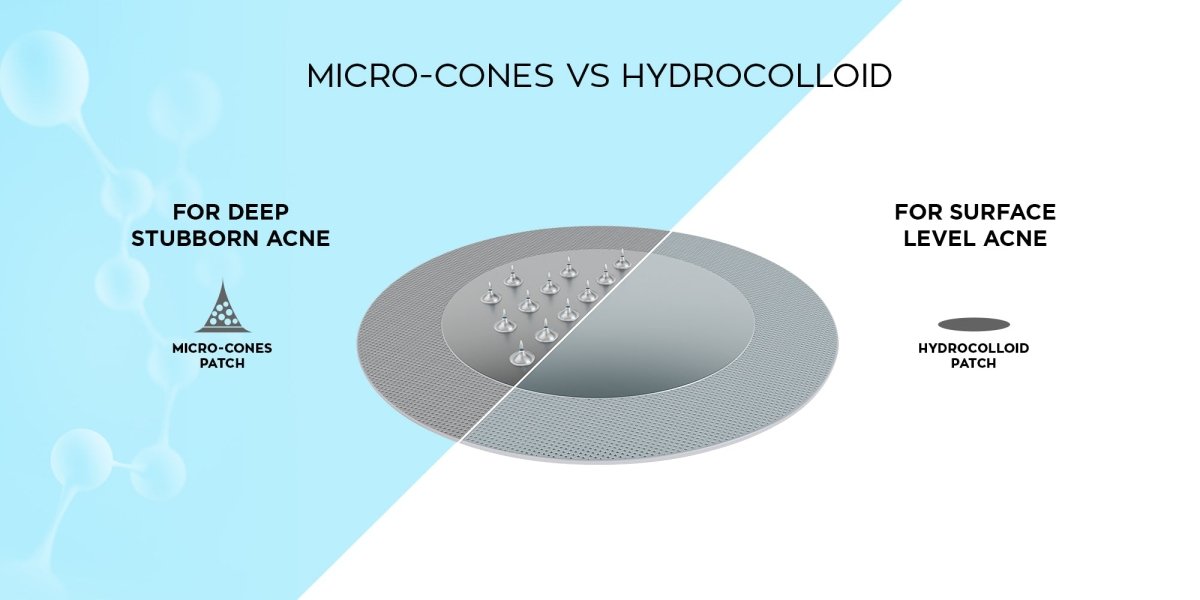
Microneedle patches occupy a different category. The micro-cones are sub-surface in size, dissolve fully into the skin, and are clinically tested. They do not create the same depth of injury as a dermaroller, but they bypass the diffusion limit of conventional serums and deliver actives where they can act. For brightening, hydration, and the appearance of fine lines, microneedle patches are a safer and more consistent option than at-home dermarolling.
Post-Microneedling Care
Whether after a professional procedure or a microneedle patch treatment, what follows matters as much as the treatment itself. The skin barrier is temporarily more permeable, which is the very mechanism that allows actives to penetrate. The same permeability means the skin is sensitive to irritants and dehydration in the hours and days afterwards.
Our Rossa 2-step hydrating treatment is formulated for exactly this state. The Prime Energy Serum delivers concentrated hydration and brightening actives, followed by the 3D Microfibre Hydro Mask infused with ceramide NP, ten types of hyaluronic acid, niacinamide, and bioactive peptides. The two-step protocol, used two or three times in the days following a procedure, supports recovery and amplifies the results.
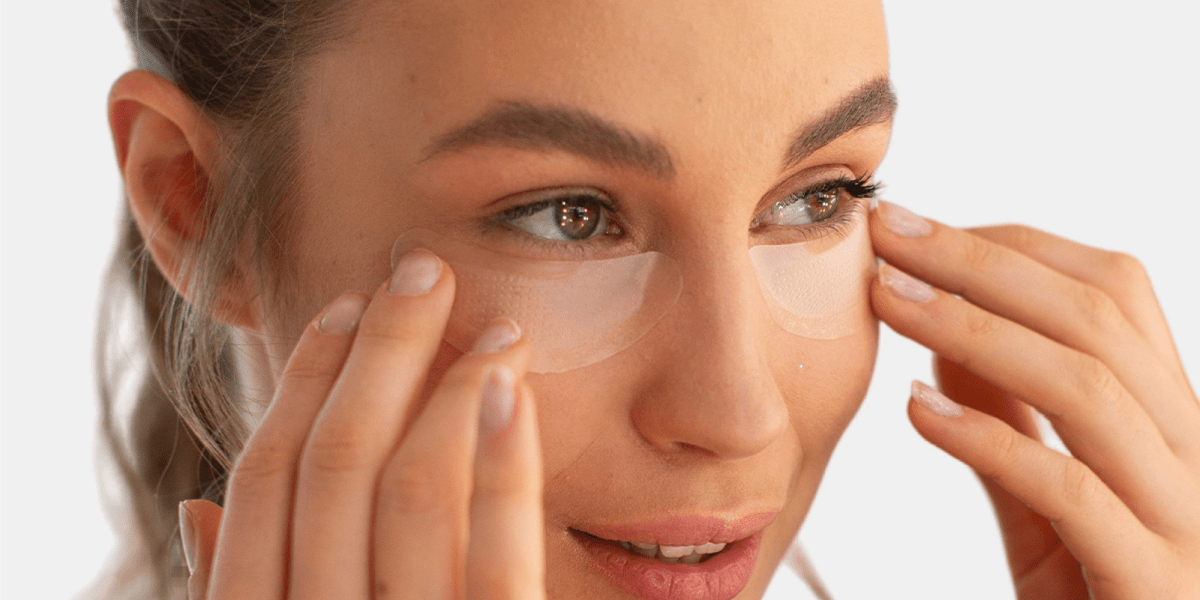
For the under-eye area, where conventional microneedling is rarely appropriate, our Eternal microneedle eye mask uses the same dissolving-cone technology in a formulation calibrated for the most delicate skin on the face.
Making an Informed Decision
Before any aggressive form of microneedling, consult a dermatologist or aesthetic practitioner familiar with your skin tone and concerns. The risk of post-inflammatory hyperpigmentation is higher in deeper skin tones and requires careful practitioner selection.
For at-home use, microneedle patches such as Eternal and Revive offer a clinically validated middle path: real delivery benefits without the risks of dermarollers or the cost of repeated clinical sessions.
Explore our full product range to see how the patch and treatment technologies integrate as a complete protocol.
Frequently Asked Questions
Does microneedling really work?
Clinical evidence supports professional microneedling for the appearance of atrophic acne scars, fine lines, photodamage, and certain types of stretch marks. Microneedle patches with clinically tested actives support hydration, brightening, and the appearance of fine lines and dark circles. Both forms produce measurable results over consistent use.
Are at-home dermarollers safe?
At-home dermarollers carry meaningful risks. Sterility is difficult to maintain, depth is hard to control, and reports of infection, prolonged sensitivity, and scarring are well-documented. Microneedle patches such as Eternal and Revive are a safer alternative that still delivers actives below the surface.
How long should I wait between microneedling sessions?
For professional treatments, four to six weeks between sessions allows the skin to complete its repair cycle. For microneedle patches, once or twice weekly is the typical protocol.
Can I do microneedling on darker skin tones?
Yes, with appropriate practitioner selection. The risk of post-inflammatory hyperpigmentation is higher in deeper skin tones and requires careful technique and post-treatment care. Microneedle patches with brightening actives offer a lower-risk alternative for daily use.
What should I use after microneedling?
The skin is temporarily more permeable after microneedling, which makes hydration and barrier support the priority. A two-step treatment such as Rossa supports recovery and amplifies the results. Avoid aggressive actives such as retinol, strong acids, and alcohol-based products for the first 48 to 72 hours.
Can microneedle patches help with acne scars?
Microneedle patches with brightening actives address post-inflammatory hyperpigmentation effectively. Deeper atrophic scars typically require professional microneedling at medium to deep depth, or laser resurfacing, to see significant improvement.