Costume Makeup Skincare: A UK Guide to Protection and Recovery
Reviewed by Imperial Bioscience Laboratories
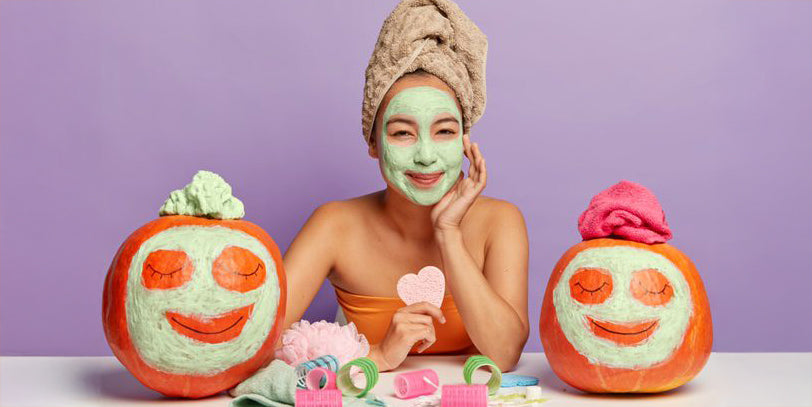
Costume makeup, theatrical face paint, and heavy event makeup all share one thing in common: they are tough on skin. Thick oil-based pigments, glitter, setting sprays, and adhesives create a barrier on the surface that traps oils and bacteria, while the removal process often demands stronger cleansers than the daily routine. The damage compounds over the course of an event-heavy season. This guide explains how to protect, perform, remove, and recover skin around costume makeup, whether for Halloween, weddings, performance, or any other occasion that calls for a heavier face.
Why Costume Makeup Stresses the Skin
Three factors combine to make heavy makeup harder on the skin than a normal foundation. The first is the formulation: many face paints and theatrical pigments use mineral oils, waxes, and synthetic colourants that are not designed for prolonged skin contact. The second is the occlusion: a heavy makeup layer prevents normal sebum flow and traps bacteria against the skin for hours. The third is the removal: oil-based and setting-spray-locked makeup typically requires double cleansing or specialist removers, which strip more than the daily makeup does.
Repeated exposure without proper recovery produces clogged pores, dehydration, and breakouts that appear days after the event.
Preparing the Skin Before Heavy Makeup
The foundation of any heavy makeup look is well-hydrated, well-prepared skin. Start with a gentle cleanser to remove oils and prior product. Pat dry rather than rubbing.
Apply a lightweight hydrating serum to support the barrier under what will be a heavy occlusive layer. Hyaluronic acid is the standard choice; peptides add structural support that reduces the risk of fine lines becoming more visible after a long event.
Follow with a lightweight moisturiser suited to your skin type. Avoid heavy oils as a base layer, which can interact with makeup pigments. Allow five minutes before makeup application for full absorption.
Apply broad-spectrum SPF if any daylight exposure is expected.
Choosing Makeup Products That Are Kinder to Skin
Where possible, choose costume makeup labelled non-comedogenic. Avoid products with high concentrations of mineral oil, fragrance, and dyes that are not certified for skin contact.
Glitter applied directly to the skin requires careful removal. Glitter applied over a setting spray is easier to remove. Avoid loose glitter near the eye area without dedicated eye-safe products.
For long-wear events, a setting spray containing humectants such as glycerin keeps the skin hydrated under the makeup rather than letting it dehydrate progressively.
The Removal Routine
Removal is the most important step. Heavy makeup left overnight produces breakouts within 48 hours.
Start with an oil-based cleanser or micellar water to dissolve the makeup layer. Take time. Heavy face paint requires patience to remove without scrubbing.
Follow with a water-based cleanser to remove the residual oil and any remaining pigment.
Pat dry rather than rubbing. The skin is sensitised after a long day of occlusion and removal.
The Recovery Routine
The hours after removal are when recovery happens. Apply a hydrating serum focused on barrier support, then a richer moisturiser than your daily routine. The barrier has been compromised and needs occlusion to repair.
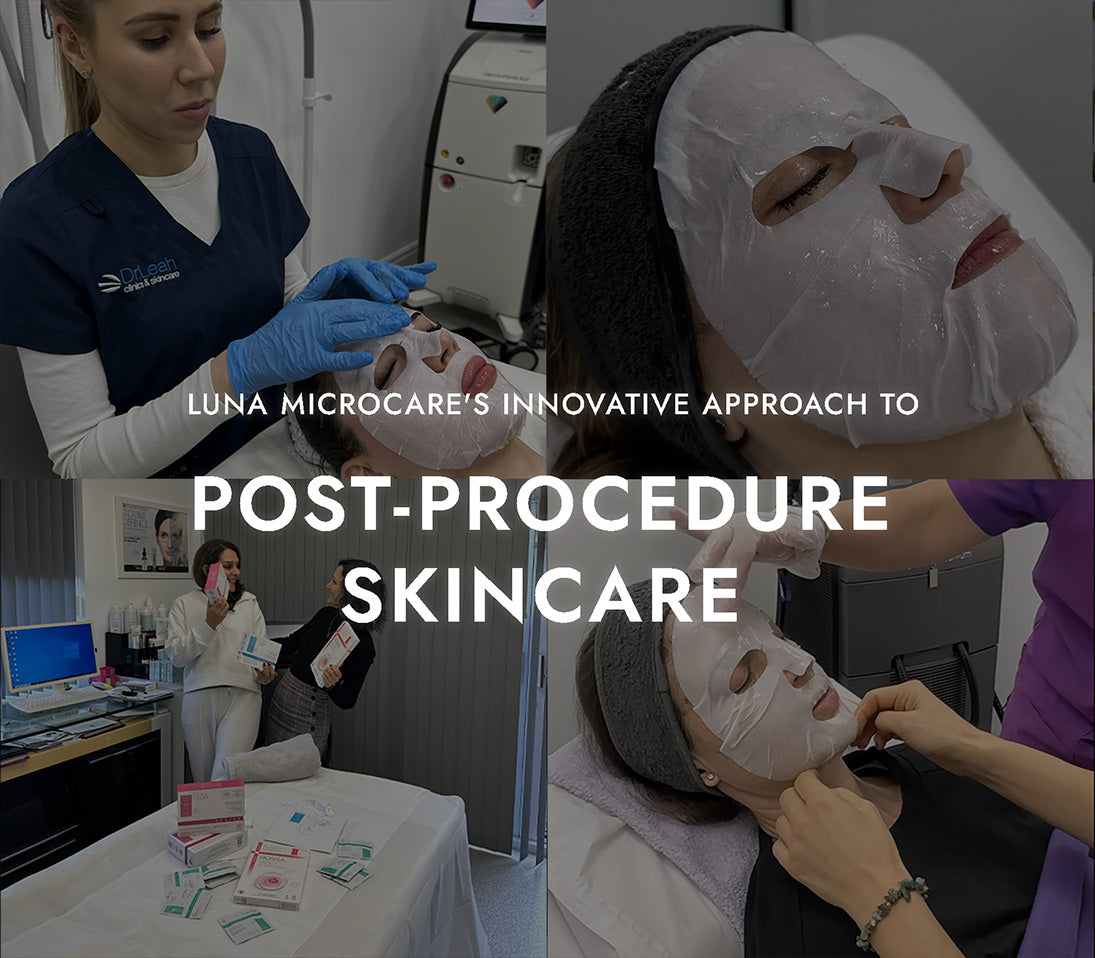
For an intensive recovery treatment, our Rossa 2-step hydrating sheet mask applies a brightening serum followed by a 3D Microfibre Hydro Mask infused with ceramide NP, ten types of hyaluronic acid, niacinamide, and bioactive peptides. The 15-minute application restores hydration, soothes irritation, and reduces the redness that often follows heavy makeup events.
For the under-eye area, where heavy makeup and removal both stress the most delicate skin, our Luminance hydrogel eye mask delivers cooling depuffing in 10 to 20 minutes. Many of our customers apply these the morning after a long event.
The Multi-Event Season
During event-heavy periods (autumn party season, wedding season, performance runs), skin needs proactive support beyond single-event recovery.
Daily: continue the standard routine of gentle cleanser, antioxidant serum, Luminance eye serum, moisturiser, and SPF.
Twice weekly: an intensive hydration treatment such as Rossa.
Weekly: anti-ageing microneedle treatment such as Eternal for the under-eye area, where the cumulative stress of heavy events shows first.
Lifestyle: hydration, sleep, and limited alcohol around event nights. Alcohol dehydrates and exaggerates the recovery time after costume makeup.
Frequently Asked Questions
How long should heavy makeup stay on the skin?
Limit heavy costume makeup to the duration of the event, ideally under eight hours. Beyond that, the cumulative occlusion and barrier stress increases the risk of breakouts and irritation. Plan removal as part of the evening, not the next morning.
What is the best way to remove glitter from skin?
Use an oil-based cleanser or micellar water and a soft cloth. Avoid rubbing; rub gently in circular motions until the glitter lifts away. For stubborn pieces, repeat rather than scrubbing.
Will costume makeup cause permanent skin damage?
Occasional use of costume makeup with proper preparation and removal does not cause permanent damage. Repeated use without recovery can produce clogged pores, breakouts, and barrier disruption that takes weeks to resolve.
Can I use anti-ageing patches after heavy makeup?
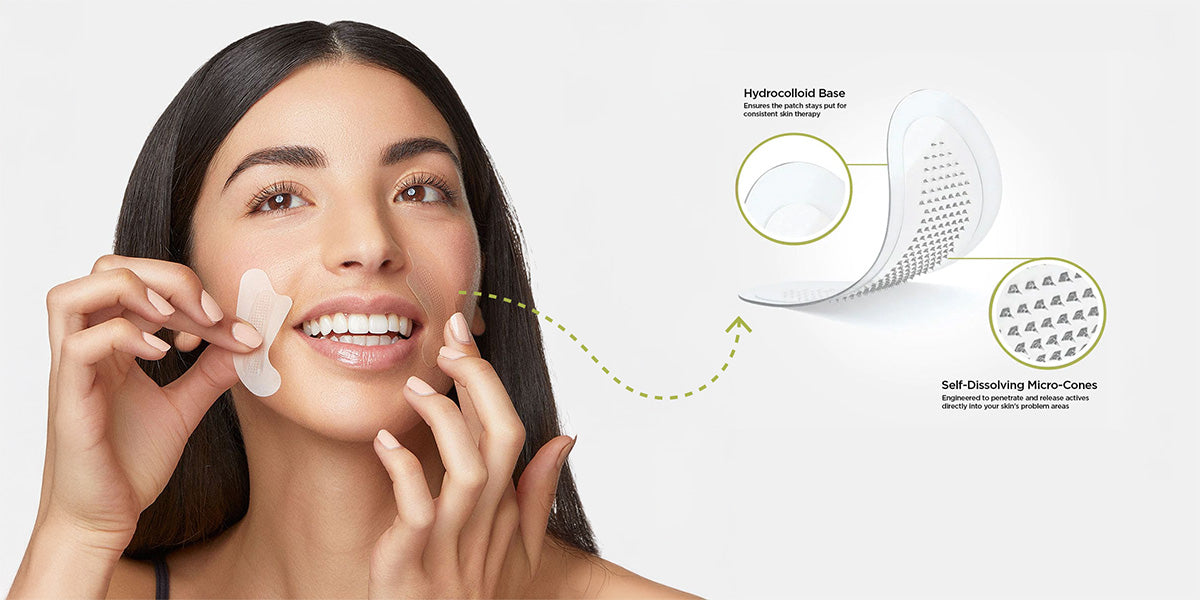
Yes, but allow the skin to recover for 24 hours first. Apply microneedle patches such as Revive or Eternal to clean, well-hydrated skin once the immediate post-event redness has subsided.
What ingredients should I avoid in costume makeup?
Avoid products with high fragrance content, undisclosed dyes, and high concentrations of mineral oil if your skin is acne-prone. Non-comedogenic certifications are a useful guide.
How do I prevent breakouts after a heavy makeup event?
Thorough removal within hours, a hydrating recovery routine, and 48 hours of gentle skincare without aggressive actives. Add an intensive hydrating treatment such as Rossa the night of or the day after the event.