Vitamin C in Skincare: A UK Ingredient Guide

Reviewed by Imperial Bioscience Laboratories
Vitamin C is one of the most studied ingredients in skincare, and one of the most misunderstood. Marketing claims promise overnight brightening, instant wrinkle reduction, and protection against the entire spectrum of skin ageing. The reality is more nuanced. Vitamin C, used correctly, is a powerful antioxidant and brightening agent with strong clinical evidence behind it. Used incorrectly, it irritates, oxidises, and produces no visible result. This guide explains what the evidence supports, which forms work, and how to integrate vitamin C into a routine that delivers measurable results.
What Vitamin C Actually Does for the Skin
Vitamin C, in its various topical forms, works through three established mechanisms.
The first is antioxidant protection. Vitamin C neutralises free radicals produced by UV exposure, pollution, and metabolic stress. This protective effect reduces the cumulative damage that drives visible ageing and pigmentation over years.
The second is tyrosinase inhibition. Tyrosinase is the enzyme responsible for melanin production. Vitamin C interferes with this process, which slows the formation of new pigmentation and gradually fades existing dark spots and post-inflammatory marks.
The third is collagen co-factor activity. Vitamin C is required for the enzymatic steps that produce stable collagen. Topical application supports the skin's collagen synthesis when other conditions (adequate amino acids, hydration, and time) are in place.
The realistic outcome over consistent use is improved skin tone, reduced appearance of dark spots and post-inflammatory pigmentation, and a measurable boost in radiance over four to eight weeks.
The Forms of Vitamin C That Matter
Not all vitamin C is created equal. The form determines stability, penetration, and how well the skin tolerates it.
L-Ascorbic Acid
The gold standard form, with the strongest clinical evidence behind it. Typical concentrations range from 10 to 20 percent. L-ascorbic acid is potent but unstable, oxidising on contact with air, light, and heat. A serum that has turned yellow or brown has oxidised and lost most of its efficacy. Most effective at a pH of 2.5 to 3.5, which makes it acidic enough to irritate sensitive skin.
Ascorbyl Glucoside
A stable derivative that converts to L-ascorbic acid in the skin. More tolerable for sensitive skin and barrier-compromised conditions. The evidence is solid for brightening and tyrosinase inhibition, though the conversion step means slightly slower visible results than pure L-ascorbic acid.
Sodium Ascorbyl Phosphate
Another stable derivative with mild antibacterial properties. Suits acne-prone skin and combination types. Penetration is good and irritation is minimal.
Magnesium Ascorbyl Phosphate
Stable, gentle, and water-soluble. Suits dry and sensitive skin types where L-ascorbic acid is poorly tolerated.
Tetrahexyldecyl Ascorbate
An oil-soluble derivative with excellent penetration through the lipid barrier. Stable and well-tolerated. Particularly effective for anti-ageing and pigmentation correction.
Choosing the Right Form for Your Skin
For most skin types in good condition, L-ascorbic acid at 10 to 15 percent in an opaque, airtight container produces the strongest results. Discontinue when the colour darkens past a light straw yellow.
For sensitive, reactive, or barrier-compromised skin, start with ascorbyl glucoside or magnesium ascorbyl phosphate at 5 to 10 percent. These are gentler and easier to integrate.
For acne-prone skin, sodium ascorbyl phosphate combines antibacterial action with brightening.
For anti-ageing focus and excellent penetration, tetrahexyldecyl ascorbate in an oil-based formulation suits a serum applied at night.
How to Apply Vitamin C
Apply to clean, dry skin in the morning. Vitamin C and SPF are a complementary pair: vitamin C neutralises UV-induced free radicals that SPF cannot fully block, and SPF protects the freshly-applied antioxidant from degradation.
A pea-sized amount is sufficient for the entire face. More does not produce better results and increases the risk of irritation.
Apply after cleansing, before moisturiser and SPF. If you also use a hyaluronic acid serum, apply vitamin C first to dry skin, wait 60 seconds, then layer hyaluronic acid.
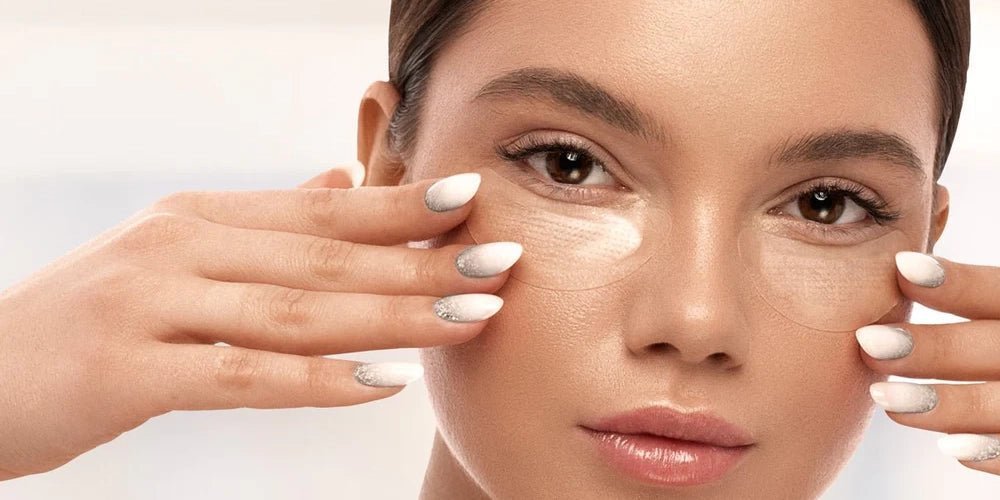
Around the eye area, where the skin is thinner and more sensitive, our Luminance eye serum combines vitamin C derivative with green algae extract, hyaluronic acid, and brightening peptides in a formulation calibrated for the periorbital area.
How to Combine Vitamin C with Other Actives
Vitamin C pairs well with vitamin E and ferulic acid, which stabilise it and amplify the antioxidant effect. A serum that combines all three has the strongest evidence base.
Vitamin C combines well with niacinamide despite older claims to the contrary. Recent evidence shows no significant interaction at typical concentrations. The two complement each other for brightening and barrier support.
Vitamin C should not be layered immediately with retinol or strong acids in the same routine. The acidity of L-ascorbic acid combined with retinol or AHAs produces excessive irritation. Use vitamin C in the morning and retinol or acids in the evening.
For intensive weekly treatment, our Rossa 2-step hydrating sheet mask delivers brightening actives alongside ceramide NP, niacinamide, ten types of hyaluronic acid, and bioactive peptides in a 15-minute occlusive treatment. The mask supports the daily vitamin C work by restoring the barrier and amplifying penetration.
Common Mistakes to Avoid
Using oxidised vitamin C. A serum that has turned dark yellow or brown is no longer active and may irritate the skin. Store in cool, dark conditions and discontinue past six months of opening.
Layering with retinol or strong acids in the same routine. Irritation rises, the barrier suffers, and the vitamin C is rendered less effective.
Expecting overnight results. Visible brightening develops over four to eight weeks of consistent application. Anyone promising 24-hour transformations is selling a fantasy.
Skipping SPF. Vitamin C without SPF cannot deliver its intended protection against UV-induced free radicals. The two products work as a pair.
Using too high a concentration on sensitive skin. The 20 percent serums work for some people and irritate others. Start lower and build up over weeks.
Building a Vitamin C Routine
Morning: Cleanser, vitamin C serum or Luminance eye serum for the eye area, hyaluronic acid serum (optional), moisturiser, broad-spectrum SPF 50.
Evening: Cleanser, retinoid (introduced gradually, two to three nights per week), eye serum, moisturiser.
Twice weekly: Rossa 2-step hydrating sheet mask for intensive brightening and barrier support.
Once or twice weekly: Eternal microneedle eye mask for the under-eye area.
Explore the full Hyperpigmentation collection for products formulated around brightening principles.
Frequently Asked Questions
What percentage of vitamin C should I use?
For most skin types, 10 to 15 percent L-ascorbic acid produces the best balance of efficacy and tolerance. Sensitive skin should start at 5 to 10 percent of a stable derivative such as ascorbyl glucoside. Concentrations above 20 percent do not produce better results and increase irritation risk.
Can I use vitamin C in the evening instead of morning?
Yes, though morning application aligns vitamin C with its antioxidant role against UV exposure. Evening use is appropriate if you also use a retinoid in the morning, or if your sensitive skin tolerates vitamin C better overnight. Avoid pairing with strong acids or retinoids in the same routine.
How do I know if my vitamin C has oxidised?
Fresh L-ascorbic acid is clear to pale straw yellow. As it oxidises, the colour deepens to orange, then brown. A dark serum has lost most of its activity and may irritate the skin. Replace it.
Can I use vitamin C with niacinamide?
Yes. The older claim that the two cancel each other out has been largely disproven at typical concentrations and pH values. The two actives complement each other well for brightening and barrier support.
How long does it take to see results from vitamin C?
Visible brightening typically develops over four to eight weeks of consistent daily use. Pigmentation correction is gradual; existing dark spots fade slowly over months of consistent application combined with daily SPF.
Is vitamin C safe during pregnancy?
Topical vitamin C has no established pregnancy concerns and is generally considered safe. As with any new product during pregnancy, consult your healthcare provider before introducing it.
Can I make my own vitamin C serum?
DIY vitamin C serums are difficult to stabilise and rarely match the efficacy of properly formulated products. The pH must be in a narrow range, the form must be appropriate, and the storage must protect against oxidation. The risk of irritation or no effect outweighs the cost saving.