How to Get Rid of Under Eye Bags Permanently Without Surgery: A UK Guide
Reviewed by Imperial Bioscience Laboratories
How to Get Rid of Under Eye Bags Permanently Without Surgery
For most cases of under eye bags driven by skin laxity, hydration loss, or pigmentation, a consistent at-home routine combining microneedle patches, daily eye serum, and lifestyle adjustments produces lasting improvement without surgery. Results develop over four to six weeks. Surgery is only required when structural fat protrusion is the dominant cause. Below is the full evidence-based protocol.
Under eye bags are one of the most searched skin concerns in the UK, and one of the most misunderstood. Aesthetic clinics offer a growing list of treatments: lasers, polynucleotides, radiofrequency, blepharoplasty. Some are remarkable. Most are expensive. Almost none are the right first step for the majority of people who notice puffiness in the mirror and start searching for answers.
This guide is an honest, evidence-based map of what works without surgery, what doesn't, and where at-home skincare ends and clinical intervention begins. It is written for people who would rather understand the mechanism before booking a consultation, and who want their daily routine to do the heaviest lifting.
What Causes Under Eye Bags? Five Root Causes
The skin under the eye is the thinnest on the human body, roughly 0.5 mm compared with 2 mm elsewhere on the face. It has fewer sebaceous glands, less subcutaneous fat, and a higher density of fine blood vessels close to the surface. This anatomy makes the under eye area the first place ageing, fatigue, fluid retention, and pigmentation show.
Five mechanisms drive almost every case.
1. Ageing and collagen loss
From the mid-thirties, collagen production declines by roughly 1 percent per year. The supportive ligaments around the eye weaken, the orbital fat pad shifts forward, and the skin loses elasticity. This is the most common cause of persistent under eye bags. It cannot be reversed by sleep or hydration alone.
2. Genetics
Bone structure, fat distribution, skin thickness, and pigmentation patterns are largely inherited. If a parent has under eye bags, the probability of developing them is significantly higher. Genetic eye bags often appear earlier than age-related ones and respond less predictably to topical treatment.
3. Fluid retention
High salt intake, alcohol, hormonal fluctuation, allergies, and poor sleep posture cause fluid to pool in the periorbital area overnight. This is the cause behind morning puffiness that resolves within hours. Lifestyle adjustments work well for this type.
4. Sleep and lifestyle factors
Chronic sleep deprivation reduces lymphatic drainage and dilates the fine vessels under the eye. The skin appears both puffier and darker. Smoking accelerates collagen breakdown and impairs microcirculation. Screen time contributes to muscle fatigue around the eye.
5. Sun damage and UV exposure
Cumulative UV exposure breaks down collagen and stimulates melanin in the under eye area. This is the mechanism behind hyperpigmented dark circles, often confused with structural eye bags but treated differently.
Identifying which mechanism is at work is the single most important step. The wrong treatment for the wrong cause is the most common reason people feel that nothing works.
Surgical Versus Non-Surgical: An Honest Reality Check
Lower blepharoplasty is the only treatment that physically removes excess fat and skin from beneath the eye. For severe fat pad protrusion or advanced skin laxity, it remains the most definitive option. It is a surgical procedure with recovery time, scarring risk, and meaningful clinical considerations.
For the majority of cases, where the cause is a combination of mild to moderate skin laxity, hydration loss, pigmentation, and fluid retention, non-surgical and at-home options work. The realistic outcome is long-term improvement and visible reduction, not complete elimination. Anyone promising permanent removal without surgery is overstating what topical and minimally invasive treatments can do.
The honest order of operations is this: optimise lifestyle and at-home skincare first, escalate to clinical non-surgical treatments if results plateau, and consider surgery only when structural fat protrusion is the dominant cause.
The Non-Surgical Spectrum: Six Options Compared
Microneedle eye patches
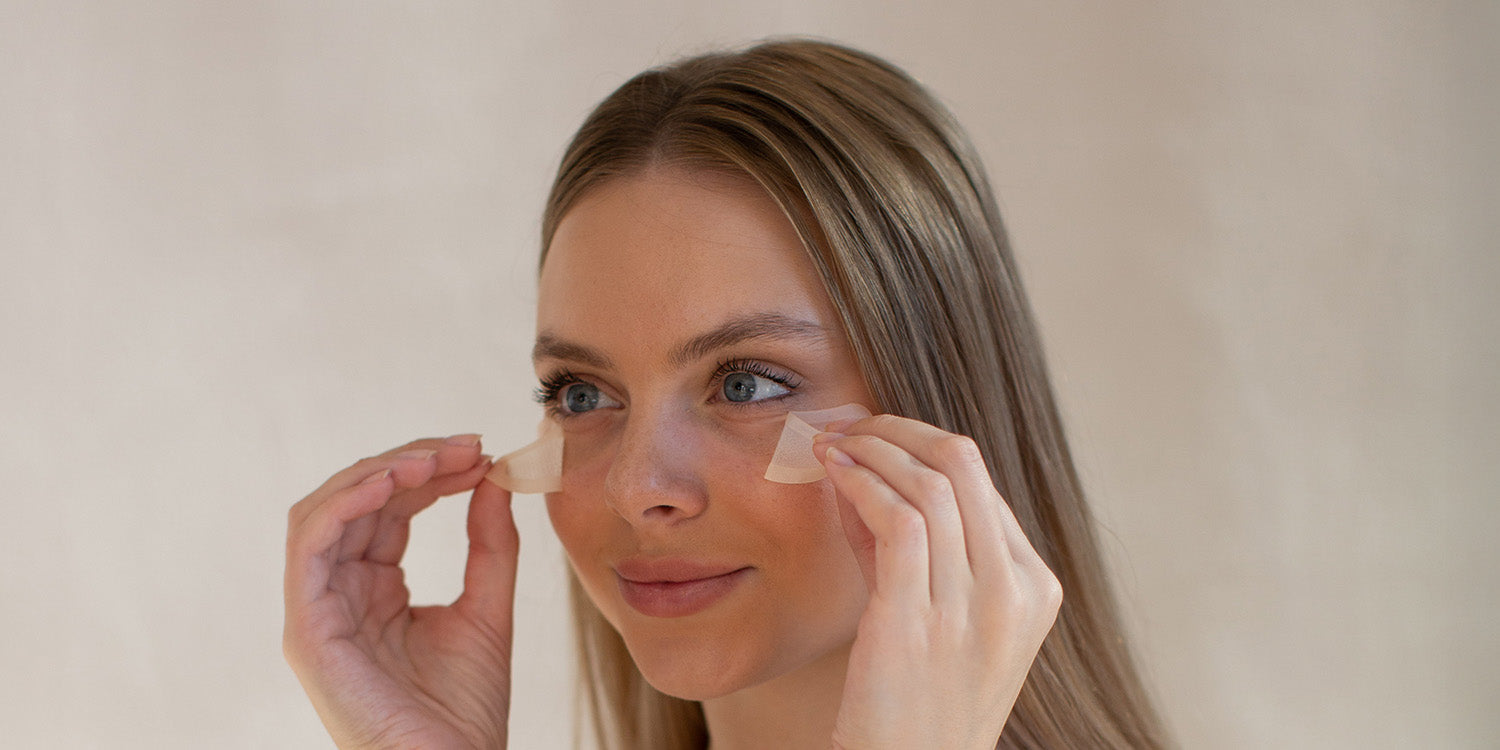
Microneedle patches contain hundreds of self-dissolving micro-cones formed from hyaluronic acid and active peptides. When applied to clean, dry skin, the cones penetrate the stratum corneum painlessly and dissolve within two hours, releasing their active payload into the dermis. This route bypasses the diffusion limitations of conventional creams and serums.
A published clinical study in the Journal of Cosmetic Dermatology (2019, DOI: 10.1111/jocd.13009) evaluated bioactive peptides loaded onto hyaluronic acid microneedle patches in a monocentric trial. Results demonstrated significant improvement in wrinkle depth, skin hydration, density, and thickness over the test period. This is the clinical foundation behind Eternal, our overnight microneedle eye wrinkle patches. For a deeper analysis of the clinical evidence behind microneedle technology and how to evaluate quality patches, see our guide to whether microneedle patches really work. Microneedle patches are designed for overnight wear: for a full breakdown of why sleep cycle timing matters, see our overnight eye patches guide.
Microneedle patches are well suited to fine lines, mild to moderate skin laxity, and the early signs of structural ageing. They are not a treatment for severe fat pad protrusion. They are non-invasive, painless, single-use, and suitable for use at home.
Eye serums with targeted actives
A well-formulated eye serum, applied morning and evening, addresses pigmentation, fine lines, and barrier hydration over time. Effective formulas combine humectants such as hyaluronic acid with vasoconstrictors such as caffeine, peptides that signal collagen synthesis, and antioxidants such as vitamin C and vitamin K.
Eye serums work cumulatively. The first visible improvements typically appear at four to six weeks of consistent twice-daily use. Our Luminance eye serum is formulated around this evidence base, with green algae, hyaluronic acid, and supporting actives.
Hydrogel eye masks
Hydrogel masks deliver an immediate cooling and depuffing effect by drawing water-soluble actives into the upper layers of the skin. They are best used as a finishing step before an event or in the morning to reduce overnight fluid retention. Results are short-term but visible within minutes. Our Luminance hydrogel eye mask is designed for this purpose.
Hydrogel masks complement microneedle patches rather than replace them. The two technologies address different time horizons: hydrogel for instant refresh, microneedle for structural change. For a complete evidence-based breakdown of hydrogel format, ingredients, and use cases, see our guide to hydrogel eye patches.
Energy-based clinical treatments
Laser resurfacing, intense pulsed light, and radiofrequency target deeper layers of the skin to stimulate collagen and tighten the dermis. These treatments are performed in clinic by trained practitioners, usually in a series of sessions. They are effective for moderate skin laxity and pigmentation. They are not appropriate for the home and require qualified medical assessment.
Injectable polynucleotide skin boosters
Polynucleotide treatments, administered by aesthetic doctors, stimulate regeneration and improve skin quality in the periorbital area. They are useful for thin, crepey under eye skin and certain types of dark circles caused by translucency. Results develop over several weeks and require maintenance.
Dermal fillers
Hyaluronic acid fillers can soften the hollow above the cheekbone that exaggerates the appearance of eye bags. They do not remove the bag itself. Fillers placed incorrectly in this delicate region can worsen the appearance, so practitioner choice is critical.
The non-surgical spectrum is not a hierarchy. It is a toolkit. The right combination depends on the underlying cause and the realistic outcome you are seeking.
A 30-Day At-Home Routine
A structured home routine, applied with consistency, can deliver visible improvement before any clinical intervention is needed. The protocol below combines targeted product use with lifestyle adjustments that address fluid retention and collagen support.
Daily foundation
Apply broad-spectrum SPF 30 or higher to the entire face, including the under eye area, every morning. UV is the single largest accelerator of collagen breakdown.
Hydrate consistently. Aim for two to two and a half litres of water per day, more in warm weather.
Sleep with the head slightly elevated. A modest incline prevents overnight fluid pooling in the periorbital area.
Reduce sodium and alcohol on consecutive days, particularly in the evening.
Daily skincare
Apply Luminance eye serum morning and evening to clean skin around the orbital bone. The lightweight formula absorbs quickly and layers under SPF or moisturiser.
Weekly intensive treatment
Apply Eternal microneedle eye patches overnight, one to two times per week. Cleanse the under eye area, ensure it is completely dry, and press the patches gently into place. Leave on for two hours minimum or overnight. Remove gently.
As needed: depuff and refresh
Apply Luminance hydrogel eye masks two to three times per week, or before any event when a refreshed appearance matters. Fifteen to thirty minutes is sufficient.
What to expect
The first visible improvements in hydration and fine lines typically appear within two weeks. Cumulative results in skin density and the appearance of bags develop over four to six weeks of consistent use. Patience and consistency matter more than intensity.
The full Eye Care collection is designed as an integrated system, with each product addressing a different mechanism and time horizon.
Ingredients That Work
The active ingredients with the strongest evidence for under eye improvement fall into four categories.
Hydration and barrier support
Hyaluronic acid holds up to 1,000 times its weight in water. Applied topically or delivered via microneedle, it plumps the skin, smooths fine lines, and improves barrier function. Sodium hyaluronate, the salt form, penetrates more efficiently.
Peptides for collagen signalling
Acetyl Octapeptide-3 reduces the appearance of expression lines by limiting the muscle contractions that deepen wrinkles over time. Palmitoyl Tripeptide-5 stimulates collagen synthesis while protecting existing collagen from enzymatic degradation. These peptides are the foundation of evidence-based anti-ageing eye formulations.
Vasoconstrictors and antioxidants
Caffeine constricts blood vessels and reduces the appearance of puffiness within minutes of application. Vitamin C supports collagen synthesis and brightens hyperpigmentation. Vitamin K addresses the bluish discolouration caused by leaky capillaries. Green algae extracts contribute additional antioxidant support.
Marine and botanical extracts
Undaria pinnatifida and Corallina officinalis extracts reinforce the skin's resistance to environmental aggression and neutralise free radicals. These ingredients support the long-term health of the under eye area rather than producing immediate visible effects.
What to Avoid
The under eye area is unforgiving. A few common mistakes undo otherwise solid routines.
Aggressive rubbing during cleansing or product application accelerates skin laxity. Use the ring finger and pat gently.
Heavy occlusive creams trap fluid and worsen morning puffiness for those prone to fluid retention.
Untested ingredients borrowed from anecdotal sources, including hemorrhoid creams and undiluted essential oils, carry meaningful risk of irritation and dermatitis in this delicate region.
Skipping SPF is the most common mistake. Cumulative UV is the largest controllable accelerator of under eye ageing.
Stopping a routine after two weeks. The eye area responds to consistency over time, not intensity in short bursts.
When to Consult a Specialist
At-home skincare addresses the majority of cosmetic under eye concerns. Certain presentations warrant medical assessment.
Sudden onset of severe puffiness, particularly if accompanied by other symptoms, may indicate thyroid dysfunction, kidney concerns, or allergic reaction. This is a medical question, not a skincare one.
Asymmetric or unilateral swelling that does not resolve warrants a GP or ophthalmology review.
Significant fat pad protrusion that no topical treatment improves indicates structural change. A board-certified aesthetic doctor or oculoplastic surgeon can advise on appropriate clinical intervention.
Persistent dark circles with no improvement after eight weeks of consistent topical treatment may benefit from clinical assessment to identify whether pigmentation, vascular, or structural factors dominate.
Frequently Asked Questions
Can under eye bags be removed permanently without surgery?
For most cases driven by skin laxity, hydration loss, or pigmentation, a consistent at-home routine combining microneedle patches, daily eye serum, and lifestyle adjustments produces lasting improvement. Complete permanent removal requires surgery only when structural fat protrusion is the dominant cause. Most people see meaningful, durable results in four to six weeks of non-surgical treatment.
What is the best non-surgical treatment for under eye bags?
The best treatment depends on the cause. For fine lines and early ageing, microneedle patches and peptide-based serums are the most evidence-supported at-home options. For pigmentation, vitamin C and brightening actives lead the evidence. For structural skin laxity, clinical energy-based treatments deliver the strongest results. A combination protocol almost always outperforms any single modality.
How long does it take to see results from microneedle patches?
Immediate plumping and hydration are typically visible within hours of the first application. Visible reduction in fine lines and improved skin density develops over four to six weeks of consistent weekly use. Clinical study data on hyaluronic acid microneedle patches demonstrates significant improvement in wrinkle depth and hydration over a 12-week period.
Are eye creams enough to reduce under eye bags?
Eye creams and serums address surface concerns: hydration, mild fine lines, and pigmentation. They are an essential foundation but rarely sufficient on their own for visible bags. Combining a daily serum with a weekly intensive treatment such as microneedle patches addresses both daily maintenance and structural improvement.
What causes bags under the eyes to suddenly appear?
Sudden under eye bags are typically caused by fluid retention from high salt intake, alcohol, allergic reaction, or poor sleep. Hormonal changes during the menstrual cycle, pregnancy, or perimenopause can also trigger temporary swelling. Sudden persistent swelling that does not resolve within a few days warrants medical assessment.
Does laser treatment for dark circles work?
Laser and intense pulsed light treatments are effective for hyperpigmented dark circles and for tightening mild skin laxity. They are less effective for dark circles caused by vascular translucency or structural hollowing. A qualified practitioner will assess the type of dark circle before recommending treatment. Multiple sessions are usually required.
Can microneedle patches replace clinical treatments?
For mild to moderate concerns, microneedle patches deliver meaningful results without the cost or recovery of clinical intervention. For severe or structural concerns, they complement rather than replace clinical treatments. The honest answer is that they should be the first step, not necessarily the only step.
What ingredients should I look for in an under eye product?
Look for hyaluronic acid for hydration, peptides such as Acetyl Octapeptide-3 and Palmitoyl Tripeptide-5 for collagen support, caffeine for depuffing, vitamin C for brightening, and antioxidants such as marine extracts. Avoid fragrance, alcohol, and aggressive exfoliating acids in the immediate eye area.
How often should I use microneedle eye patches?
Once or twice per week, applied overnight, is the optimal frequency for most users. More frequent use does not accelerate results and may cause unnecessary sensitisation. Consistency over six to eight weeks produces visible improvement. For a complete breakdown of why overnight timing matters, see our overnight eye patches guide.
When should I see a doctor about under eye bags?
Consult a doctor if puffiness appears suddenly and persists, if it is asymmetric, if it is accompanied by pain, vision changes, or other systemic symptoms, or if no improvement is seen after eight weeks of consistent topical treatment. Severe structural fat protrusion that affects appearance significantly may benefit from a consultation with an oculoplastic specialist.
The Right First Step
The most important decision is not which clinic to book, but whether the cause of your under eye concerns is structural enough to justify clinical intervention in the first place. For the majority of people, the answer is no. A disciplined home routine, applied for six to eight weeks, addresses fine lines, hydration, pigmentation, and mild laxity. It costs a fraction of clinical alternatives. It works.
Clinical treatment is the right next step when results plateau. Surgery is the right step only when structural change dominates. The order matters.
Explore the full Eye Care collection to find the combination suited to your concern. Each product is designed around a specific mechanism, supported by clinical evidence, and formulated to work as part of an integrated routine.